Food safety is non-negotiable in any facility that handles, processes, or stores food. Achieving and maintaining ISO 22000:2018 compliance requires complete control over every possible source of contamination—and one of the most overlooked risks comes from birds, particularly pigeons.
At BCS Bird Control Services, we help food manufacturers and distributors protect their operations, maintain ISO certification, and prevent contamination using humane, compliant bird management systems.
Understanding the Link Between ISO 22000:2018 and Bird Control
ISO 22000:2018 outlines the international standard for Food Safety Management Systems (FSMS). It defines how organisations must identify and manage biological, chemical, and physical hazards in the food chain.
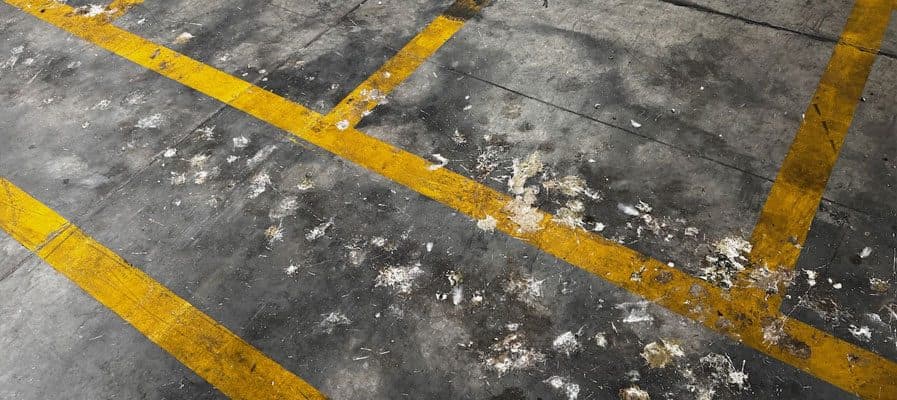
Birds—and the droppings, feathers, and nesting materials they leave behind—introduce multiple hazards that can undermine these standards. From direct product contamination to microbial spread, unmanaged bird activity can quickly lead to non-conformances, reputational harm, and even production shutdowns.
How Birds Compromise Food Safety
Biological Contamination
- Pathogens: Bird droppings can contain Salmonella, E. coli, and Campylobacter, which may contaminate raw materials or finished goods.
- Fungal spores: Dried droppings can release airborne spores linked to diseases like Histoplasmosis, posing respiratory risks.
- Parasites and mites: Nests attract insects and mites that can spread through production areas.
Physical Contamination
- Feathers and debris: Falling feathers, nesting material, and droppings can enter open food containers or machinery.
- Blocked ventilation systems: Nesting around vents or ducts can reduce air quality and spread fine dust particles across the facility.
Chemical and Operational Risks
- Corrosion: Bird droppings are acidic and damage metal structures, lighting, and electrical systems.
- Maintenance disruption: Frequent cleaning and unplanned maintenance increase operational costs and downtime.
High-Risk Areas in Food Facilities
Bird activity often concentrates around entry points and warm or sheltered spaces. Facilities most at risk include:
- Receiving and dispatch areas, where doors are frequently open.
- Roof structures and ledges, which offer safe roosting sites.
- Ceiling voids and rafters, especially above production lines.
- Ventilation and HVAC units, where droppings can be drawn into air systems.
- Waste zones, where exposed organic matter attracts feeding birds.
Even a few birds can create contamination risks that violate Good Manufacturing Practice (GMP) and HACCP principles, leading to corrective actions during audits.
ISO 22000:2018 Requirements Relevant to Bird Control
ISO 22000 requires proactive hazard management through Prerequisite Programs (PRPs). Bird control falls directly under these preventive measures.
Key clauses affected include:
- Clause 7.1 – Infrastructure: Buildings and utilities must support hygienic operations. Bird ingress compromises this requirement.
- Clause 7.2 – Work Environment: The facility must prevent environmental contamination, including from pests and birds.
- Clause 8.5 – Hazard Control: Biological contamination from droppings or feathers must be identified and controlled.
Failure to demonstrate active bird control can result in audit findings, non-compliance reports, or even suspension of certification.
Prevention and Protection
Maintaining ISO compliance demands a documented, verifiable bird control strategy. At BCS Bird Control Services, we combine thorough site assessments with humane exclusion methods that protect food integrity without disrupting production.
Our service includes:
- Comprehensive site surveys with risk mapping of ingress points and roosting zones
- Detailed compliance documentation suitable for ISO audit evidence
- Scheduled maintenance and inspections to ensure long-term effectiveness
Our Proven Bird Control Solutions
Vamoose Bird Repellent Gel
A transparent, non-toxic gel that creates a sensory barrier pigeons instinctively avoid. Once applied to beams, ledges, or signage, it prevents roosting and nesting while remaining invisible to staff and auditors.
- Humane and environmentally friendly
- Long-lasting and weather-resistant
- Ideal for sensitive, hygiene-critical environments
- Reduces cleaning frequency and maintenance costs
Spectre Net Bird Exclusion Systems
A high-strength, UV-stabilised netting solution designed to physically block birds from accessing internal or external structures. It offers discreet protection while maintaining airflow and light.
- Custom-fitted to each facility’s structure
- Resistant to heat, UV exposure, and cleaning chemicals
- Low-maintenance with minimal aesthetic impact
- Fully compliant with ISO 22000:2018 hygiene requirements
Take Action Before It Becomes a Compliance Issue
Don’t let a preventable bird infestation put your ISO 22000:2018 certification at risk. A single incident of contamination can lead to costly recalls, downtime, and regulatory penalties.
Contact BCS Bird Control Services today to schedule a professional site survey and receive a tailored bird control plan that keeps your facility compliant, hygienic, and audit-ready.