Bird droppings are more than just an unsightly nuisance—they pose serious health, hygiene, and safety risks that every facility manager needs to understand and address.
From bacterial infections to costly contamination, the presence of birds such as pigeons in or around the workplace can threaten employee wellbeing, product integrity, and your company’s reputation.
At BCS Bird Control Services, we help businesses identify, manage, and eliminate these risks using humane, long-term bird proofing solutions.
Understanding the Dangers
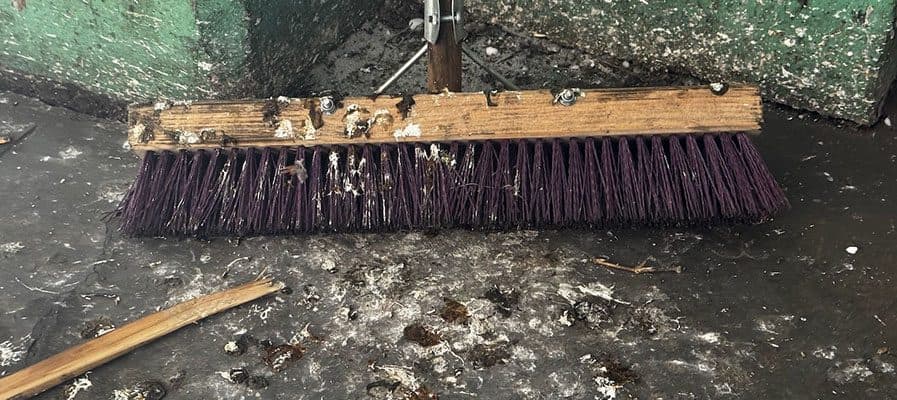
Bird droppings may appear harmless, but they are a breeding ground for bacteria, fungi, and parasites.
When dry, droppings can turn into fine dust that becomes airborne, easily inhaled by workers or settling onto equipment and products.
This creates a hidden health hazard that often goes unnoticed until illness, contamination, or regulatory issues arise.
Bacterial Infections
Certain bacteria thrive in bird droppings, posing serious health threats when people come into contact with contaminated surfaces or inhale airborne particles.
Salmonella
- Causes severe food poisoning and gastrointestinal distress
- Can survive for months in dried droppings and dust
- Spreads through cross-contamination on tools, machinery, or food surfaces
- Especially dangerous in food manufacturing, packaging, and processing facilities
E. coli
- Leads to serious gastrointestinal illness and, in extreme cases, kidney complications
- Can be transmitted through both direct contact and inhalation of contaminated dust
- Particularly hazardous to children, the elderly, and those with weakened immune systems
- Requires immediate disinfection and professional cleaning after exposure
Fungal Diseases
Fungi thrive in bird droppings, especially in warm, moist conditions common around HVAC units, roofs, and ledges.
When disturbed, fungal spores become airborne and are easily inhaled.
Histoplasmosis
- Caused by a fungus that grows in accumulations of dried bird droppings
- Inhaled spores can lead to severe respiratory illness or chronic lung infection
- Often mistaken for flu-like symptoms but can become life-threatening if untreated
- Especially dangerous for immunocompromised individuals or those with existing respiratory conditions
Left untreated, fungal infections like Histoplasmosis can cause significant health issues among employees and even force facility shutdowns for decontamination.
High-Risk Workplace Environments
Certain workplaces are particularly vulnerable to bird-related contamination.
Understanding where the risks lie helps managers take proactive steps to prevent costly problems before they occur.
Food Processing Facilities
The stakes are highest in food production and packaging environments, where bird contamination can have devastating consequences:
- Droppings and feathers can directly contaminate food products
- Strict regulatory compliance (including ISO 22000:2018) can be jeopardized
- Product recalls and shutdowns can severely damage brand reputation
- Customer health and safety are placed at risk
Even a small amount of bird activity near production lines or storage areas can lead to serious compliance violations and costly downtime.
Warehouses and Distribution Centers
Large, open industrial buildings provide ideal shelter for pigeons and other birds.
Without proper bird control, droppings and nesting debris can accumulate quickly, causing a range of problems:
- Birds enter through loading bays, roof vents, or damaged structures
- Droppings collect on stored goods, pallets, and shelving
- Airborne particles contaminate worker areas and products
- Contaminated shipments reach customers, creating reputational damage
A few birds today can become a full-scale infestation tomorrow if left unchecked.
Prevention and Protection
Protecting your workplace from bird-related health hazards requires professional intervention and ongoing maintenance.
DIY deterrents and periodic cleaning may provide temporary relief, but they rarely solve the root cause of the problem.
That’s where BCS Bird Control Services comes in.
Our team of specialists provides:
- Comprehensive site surveys to assess current and potential risks
- Custom bird-proofing solutions using our proven, humane systems
- Long-term prevention plans tailored to your industry and facility layout
Our Proven Bird Control Solutions
Vamoose Bird Repellent Gel
A non-toxic, transparent gel that creates an invisible surface pigeons instinctively avoid.
Once applied to ledges, beams, or other roosting areas, it deters birds safely and discreetly—without harming them or affecting the building’s appearance.
- Humane and environmentally friendly
- Long-lasting and weather resistant
- Ideal for sensitive environments such as food facilities
Spectre Net Bird Exclusion Systems
A strong, UV-stabilised net system that physically prevents birds from accessing sheltered areas such as roofs, ceilings, or loading bays.
Designed for durability and minimal visual impact, Spectre Net provides a permanent barrier against infestation.
- Custom-fitted to your building structure
- Low-maintenance and discreet
- Suitable for warehouses, factories, and commercial complexes
Take Action Before It Becomes a Problem
Bird droppings and infestations don’t just go away—they grow, spread, and become more expensive to fix over time.
Protect your property, your employees, and your reputation by addressing the problem before it affects your operations.
Contact BCS Bird Control Services today to schedule a comprehensive health risk assessment and receive a customised protection plan designed for your facility.