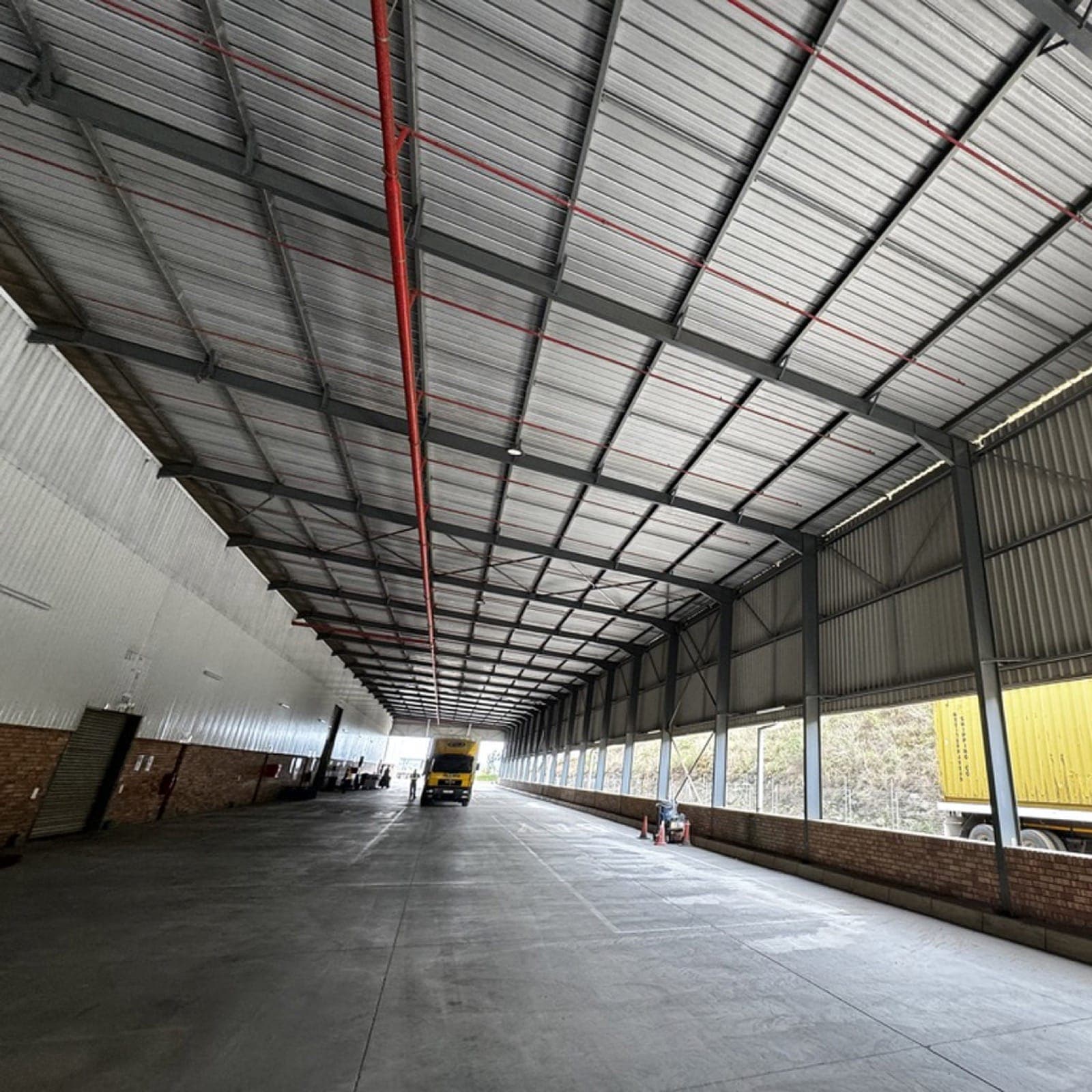
If you run a food or beverage facility certified to ISO 22000 or FSSC 22000, birds are not a facilities problem. They're a food-safety problem, and your auditor treats them that way.
Why birds are a food-safety hazard, formally
ISO 22000 is built around hazard analysis: you identify the biological, chemical and physical hazards that could affect product safety, and you demonstrate control. Birds hit all three registers at once.
- Biological. Droppings carry organisms responsible for over 40 diseases, including Salmonella and Listeria, the exact pathogens your HACCP plan exists to control.
- Physical. Feathers, nesting material and droppings are foreign-body contaminants that can end up in open product or packaging.
- Chemical. Dried droppings become airborne dust that travels through ventilation into processing areas.
Evidence of bird activity, droppings, nests, birds in the building, is therefore a legitimate major non-conformance. It's not a housekeeping note; it's a finding that can threaten certification and, through it, your supply contracts.
The gap most facilities have
The common failure isn't that facilities ignore birds. It's that bird control sits in the pest-control file as a line item, disconnected from the food-safety management system. When an auditor asks for evidence of hazard identification and control for birds specifically, there's nothing structured to show.
Closing it: an ISO 22000-aligned bird risk assessment
The fix is to document bird control the way you document every other hazard. A bird risk assessment aligned with ISO 22000:2018 gives you:
- Identified hazards and hygiene risks, mapped to physical locations
- An operational vulnerability assessment for the facility
- A prioritised control plan (exclusion, treatment, or both)
- Guarantee certification on the completed work
That's documentation you table at your next audit as evidence of control, which turns your biggest bird-related audit risk into a demonstrable strength.
Specialist, not generalist
This is also where a bird specialist matters more than a general pest controller. The assessment should be done by people who understand bird behaviour, building structure and food-safety compliance together. A generic pest inspection ticking a box doesn't produce audit-grade evidence.
BCS has aligned its survey methodology with ISO 22000:2018 since long before it was fashionable. Request a free, audit-ready site survey.